
Football radio isn't just background noise for a Sunday drive. It's a lifeline. I remember sitting in a cramped car park outside Villa Park in 2019, rain hammering the roof, listening to BBC WM's post-match phone-in because I couldn't get a ticket. The raw emotion—fans screaming about a disallowed goal, a former player calmly dismantling the manager's tactics—hit harder than any polished TV analysis. That's the power of football radio: it thrives on immediacy and imperfection.Local stations like talkSPORT and BBC Radio 5 Live have built empires on this. But the real gold is often found in regional coverage. Take Sunderland's commentary on BBC Radio Newcastle—when the team scored a 94th-minute winner against Leeds in 2022, the commentator's voice cracked。and you could hear a co-commentator's coffee cup clatter to the floor. Listeners called in from pubs, living rooms, and worksites. No corporate gloss. Just shared delirium. Football radio captures the game's pulse in a way that highlights reels never will.
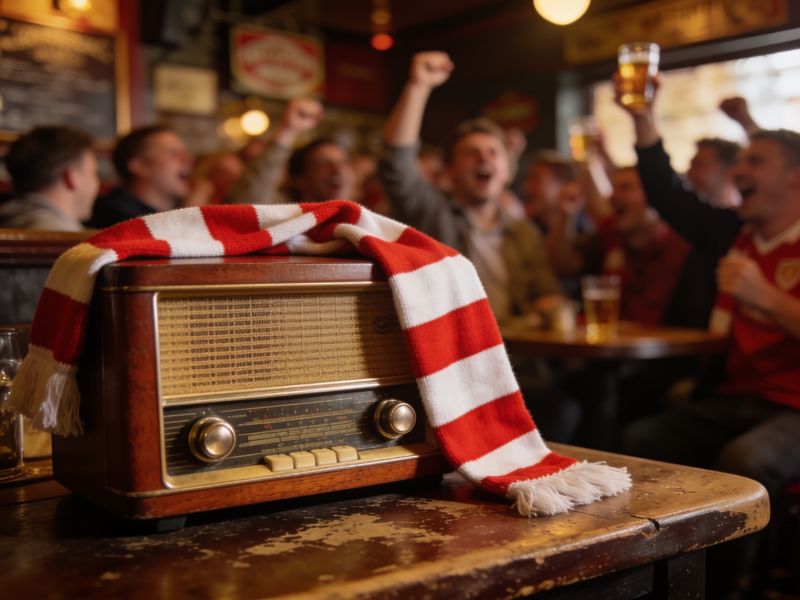
Accessibility matters more than ever. For visually impaired fans, radio commentary isn't a supplement—it's the primary way to follow a match. The best commentators paint spatial pictures: "Ball played wide to the right, defender closes down, cross whipped in toward the back post." That's a skill honed over decades。not generated by an algorithm. I've spoken to blind supporters who can describe a striker's movement better than some pundits, purely because they've listened to football radio for years. The medium demands clarity and rhythm, and the good ones deliver.But football radio faces a strange paradox. Streaming platforms and podcasts offer slicker alternatives, yet phone-ins remain stubbornly popular. Why?Because they're messy. After a controversial VAR decision, you'll hear a caller rant for three minutes without a breath。then a host gently push back. It's theatre of the absurd, and it's addictive. I've tuned into 606 on BBC Radio 5 Live just to hear the inevitable meltdown from a rival fan. That kind of unfiltered reaction doesn't exist in a press conference or a tactical breakdown. Football radio is the sport's id, not its ego.The future?
Automated commentary and AI-generated match summaries are creeping in. But they miss the point. Football radio lives on human error—a mispronounced name, a sudden burst of laughter, a commentator admitting they got the offside call wrong. Those moments build trust. I'll take a crackling local broadcast over a perfectly engineered podcast any day. The game belongs to the fans, and football radio is where their voices actually echo.