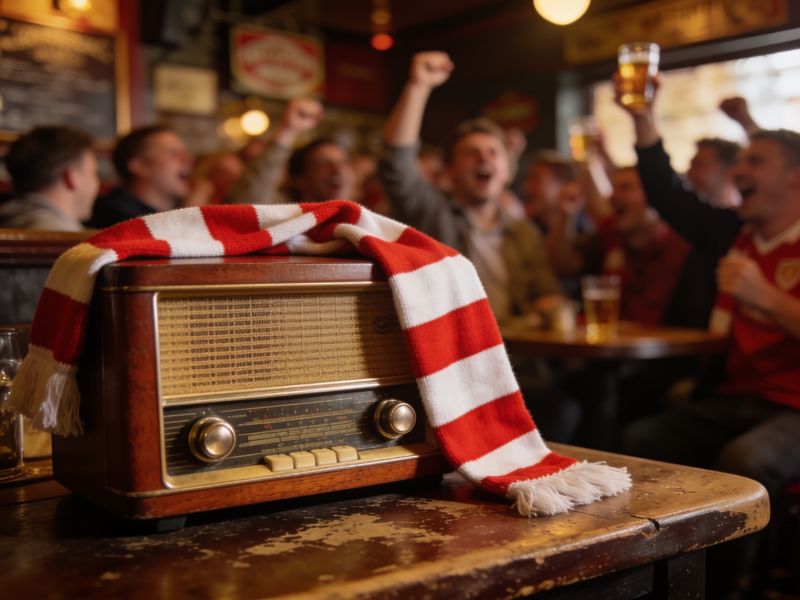
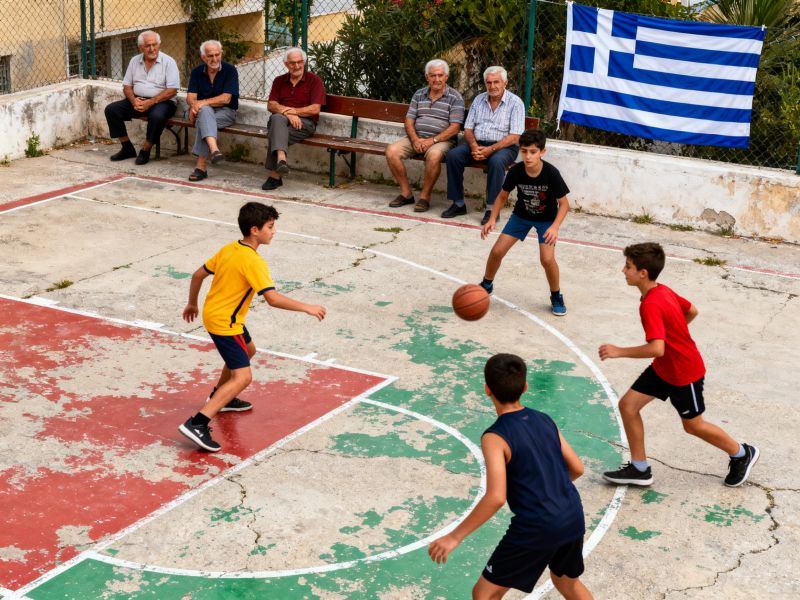
Greek sports rarely make global headlines unless a crisis hits the football federation or a basketball club stuns Europe. That’s a shame, because the country’s athletic culture is far richer than thescoreboard suggests. Walk into any neighborhood plateia in Athens or Thessaloniki on a Sunday morning and you’ll see kids playing basketball on cracked concrete courts, old men arguing about Panathinaikos’s defense, and a pickup football game that ignores age, fitness, and the summer heat. Greek sports live in that messy。loud, everyday space.Football is the undisputed king. The rivalry between Olympiacos and Panathinaikos is not just a match;it’s a social fault line that cuts through families, workplaces, and tavernas. I once sat in a small café in Piraeus where a seventy-year-old retired dockworker explained, with tears in his eyes, why a 1980s derby still mattered more than any Champions League final. That kind of emotional investment is common. Yet Greek football also struggles—stadium violence。financial instability, and a league that too often exports its best talent before they turn twenty. The national team’s miraculous Euro 2004 win remains both a beacon and a burden, proof that Greek sports can shock the world but also a reminder of how rarely that happens.Basketball tells a different story. Greece has produced NBA players like Giannis Antetokounmpo, but the domestic game has its own fierce identity. Panathinaikos and Olympiacos dominate the EuroLeague, and their clashes are as intense as any football derby. The difference?
Basketball fans in Greece tend to be more analytical, less tribal—though that’s a relative term. A sports editor I met in Thessaloniki insisted that Greek basketball culture is “more European。less Balkan” in its tactical sophistication. Maybe. What’s certain is that Greek sports fans know their Xs and Os, and they’re not shy about sharing that knowledge at volume.Beyond the big two sports, there’s a quiet resurgence in athletics, water polo。and sailing. The Aegean’s winds and islands make sailing a natural fit, and Greek water polo teams consistently rank among Europe’s best—though you’d hardly know it from the media coverage. I spent an afternoon watching a youth water polo practice in Vouliagmeni, and the coach, a former national team player, shrugged when I asked about the lack of attention. “We win medals, they write two lines” he said. “Football loses, they write ten pages” That imbalance shapes Greek sports as much as any victory.
What ties it all together is a stubborn。unpolished passion. Greek sports aren’t packaged for global consumption, and that’s precisely their charm. The fans are demanding, the clubs are chaotic, and the athletes often overachieve against structural odds. You don’t follow Greek sports for pristine organization or corporate polish—you follow it because it feels real, human, and occasionally glorious. That’s worth more than a tidy narrative.